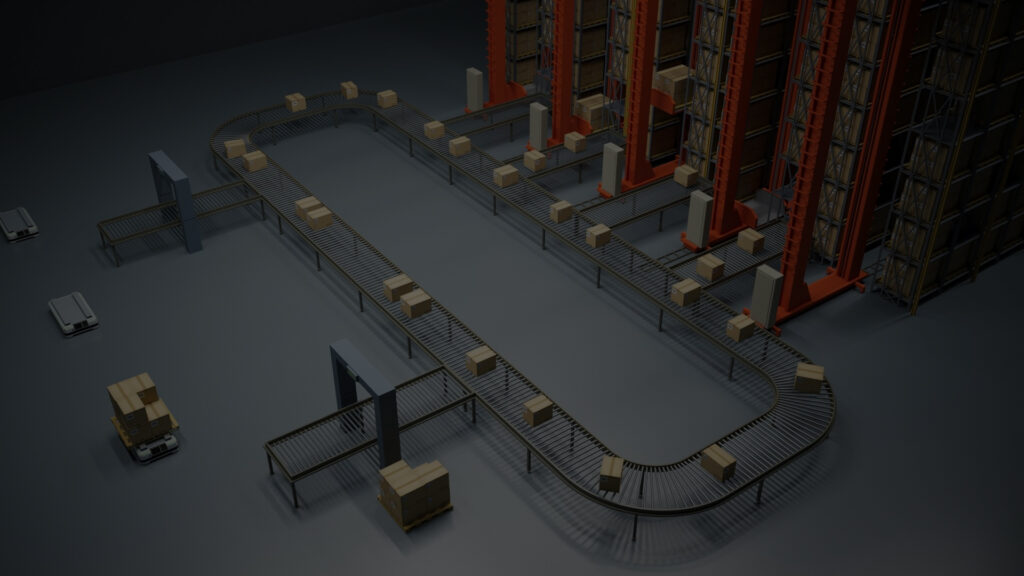
Zebra Technologies needed a responsive interface for their Warehouse Control System (WCS) that could surface critical operational data clearly across multiple device types — from small handheld mobile computers to larger tablet screens. Warehouse workers needed real-time visibility into device status, network connectivity, printer management, and regional operations — but the existing interface was constrained to small screen formats that forced workers to navigate through fragmented data views, slowing down decision-making on the warehouse floor.
My Role
As a freelance UX Designer, I was brought in to redesign the WCS interface with a focus on responsive design and data clarity. I led the redesign from initial constraints — optimizing for small mobile screens — through an expanded scope that accommodated tablet-sized displays, allowing warehouse staff to view significantly more operational data simultaneously. I was responsible for the full design lifecycle including UX strategy, interface design, and detailed design handoff documentation to ensure precise implementation by the development team
The Process
— Discover The project began with a deep dive into how warehouse workers actually interact with the WCS in real operational conditions — what data they need at a glance, how quickly they need to act on it, and what device constraints they’re working within. Key findings revealed that workers were most frequently checking device connectivity status, printer health, and regional operational metrics — but the existing interface buried this information across multiple navigation levels. The initial brief focused on mobile screen optimization, but research quickly surfaced that tablet adoption was increasing on warehouse floors, creating an opportunity to significantly expand the data density and usability of the interface.
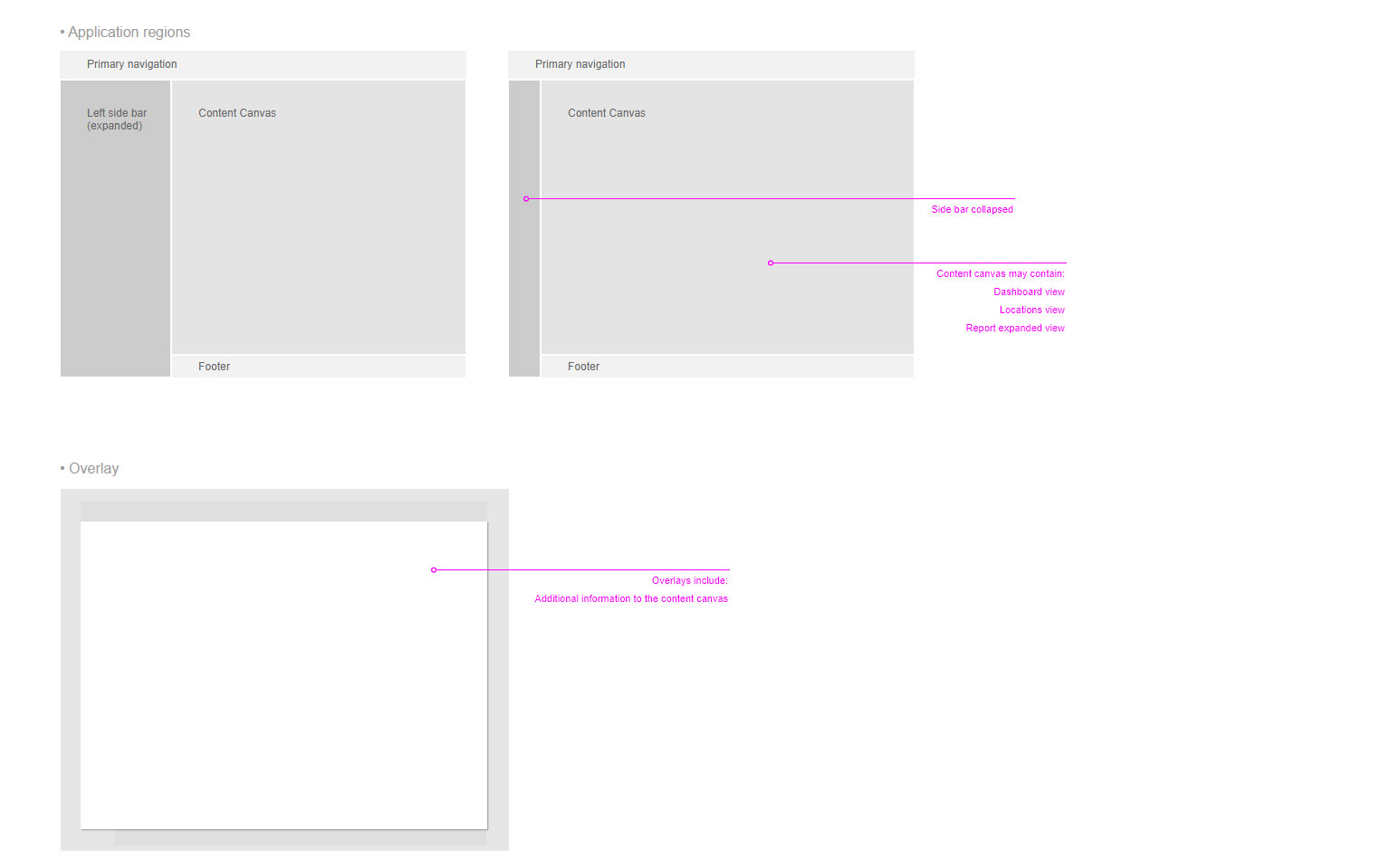
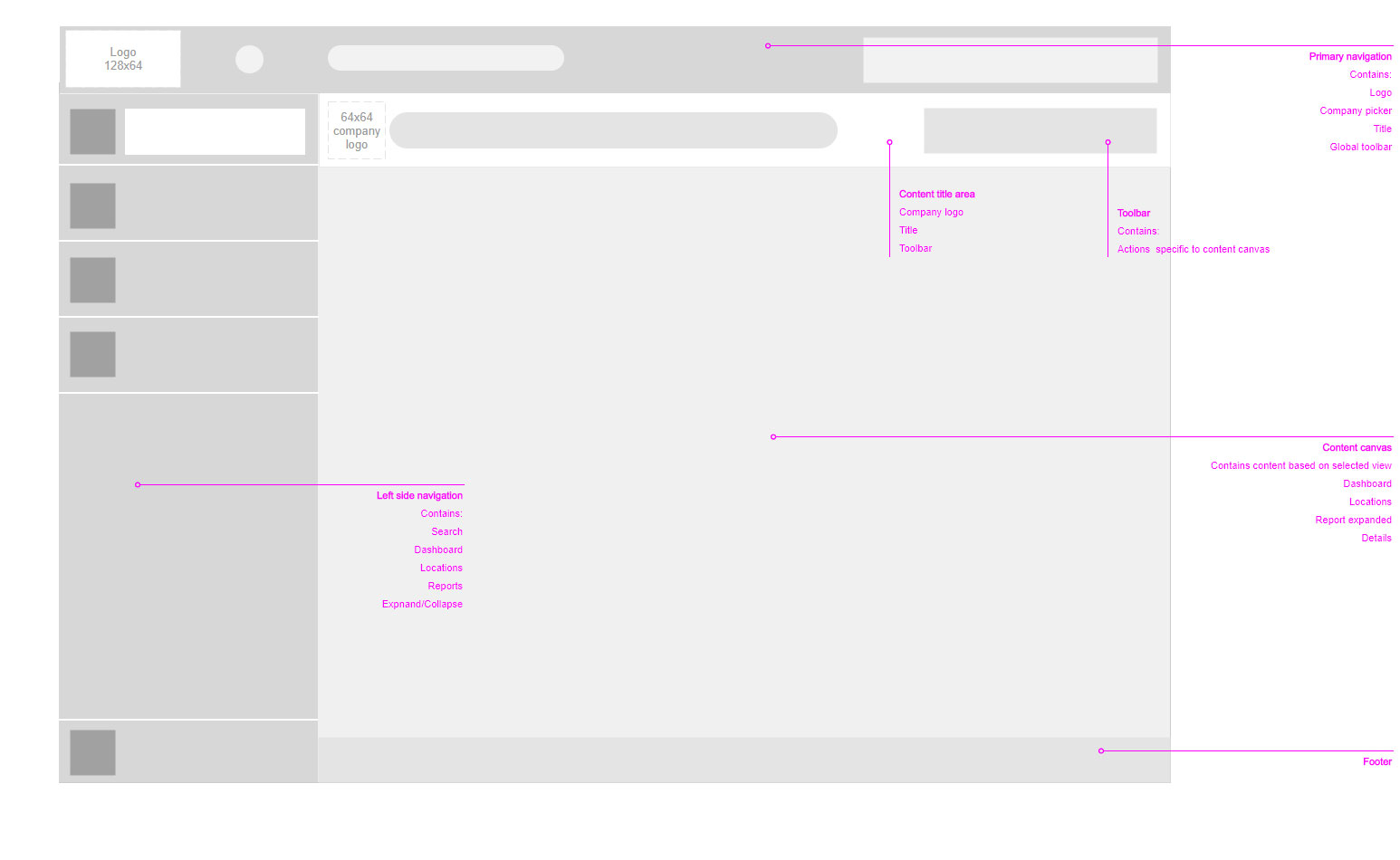
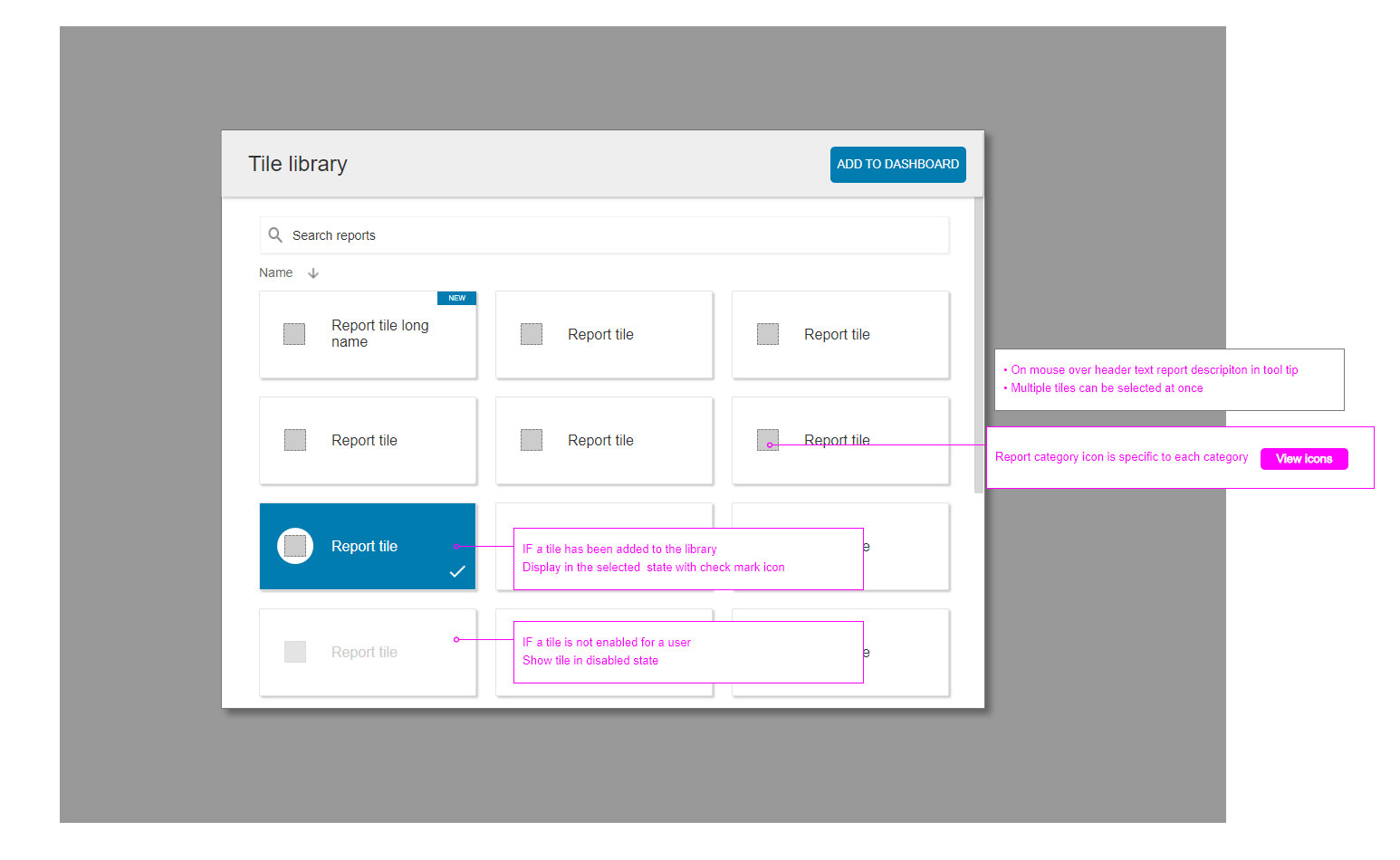
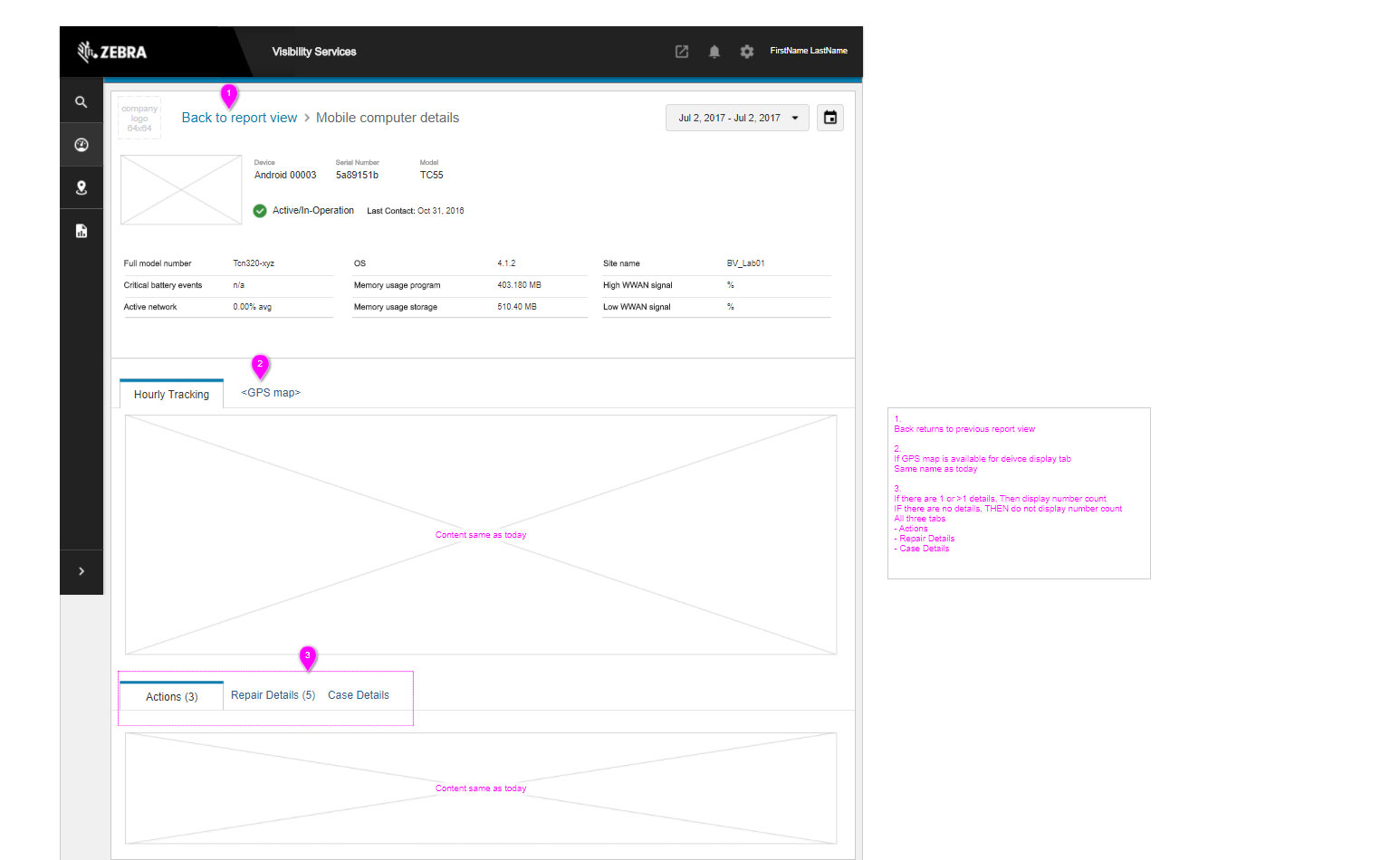
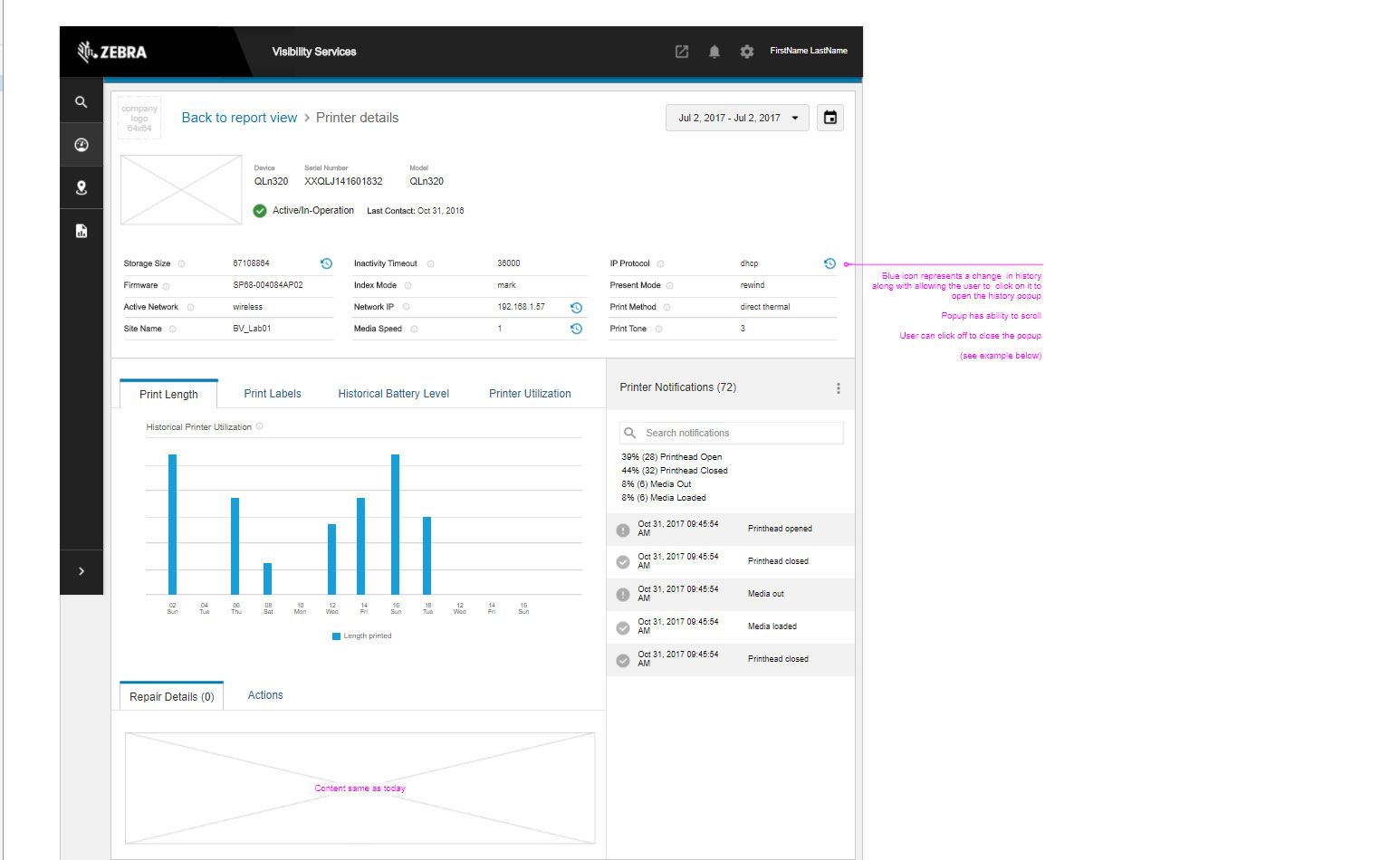
— Define & Design I designed a responsive interface architecture that gracefully scaled from handheld mobile computers to tablet displays — using a tile-based layout system that could reorganize and expand based on available screen real estate. Key design decisions included a persistent navigation system for fast access to core functions, tile overlays for contextual detail without full page navigation, clear visual hierarchy for connectivity and device status indicators, and region-based views that gave supervisors geographic visibility into their operations. All designs were built within Zebra’s existing brand standards while modernizing the visual language of the interface.
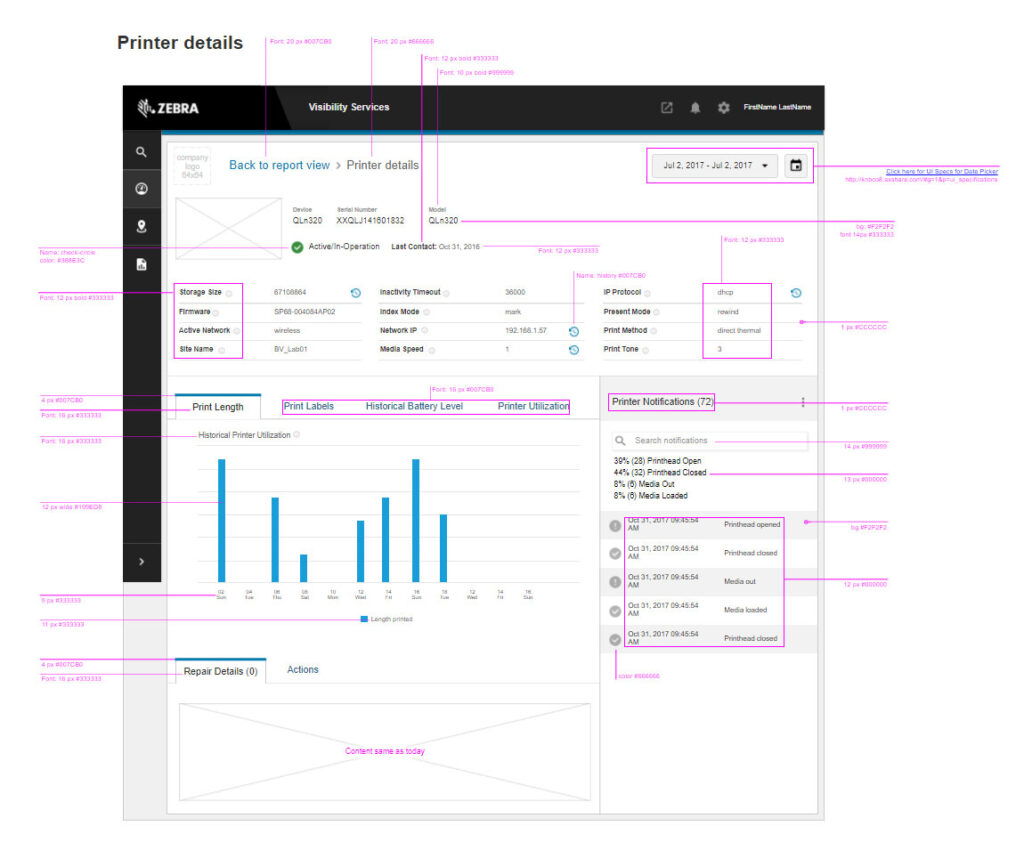
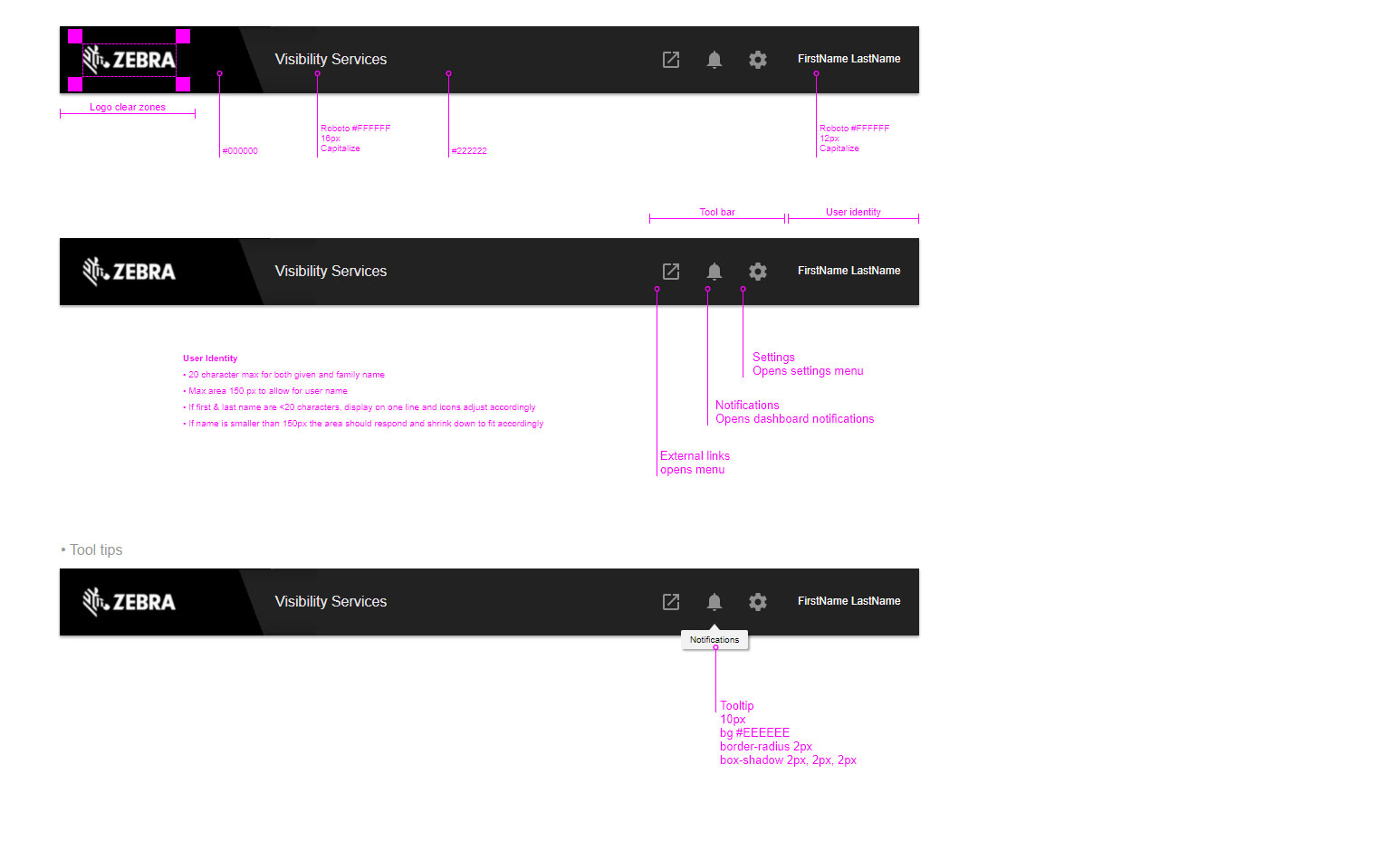
— Deliver & Measure Final designs were delivered with comprehensive handoff documentation — annotated specs, component breakdowns, and interaction notes — ensuring the development team could implement with precision and without ambiguity. The responsive redesign enabled warehouse staff to view significantly more actionable data simultaneously, reducing the navigation steps required to access critical information and improving real-time decision-making on the warehouse floor.
The Results
2x
Data Visibility- Mobile to Tablet Optimization
Responsive
Architecture Scaling Across all Device Types
9
Flows Across WCS Suite
Zero Ambiguity
Handoff Documentation for Development
In Summary
Design excellence doesn’t end at the mockup. For the Zebra WCS project I delivered a complete handoff package — annotated specifications for every screen, component-level documentation, interaction states, responsive behavior notes, and brand compliance checks. This level of handoff discipline ensures that what gets built matches what was designed, protecting the user experience through the implementation phase
Primary navigation system
Regional operations views
Regional operations views
Contextual tile overlay interaction
Device status and connectivity detail view
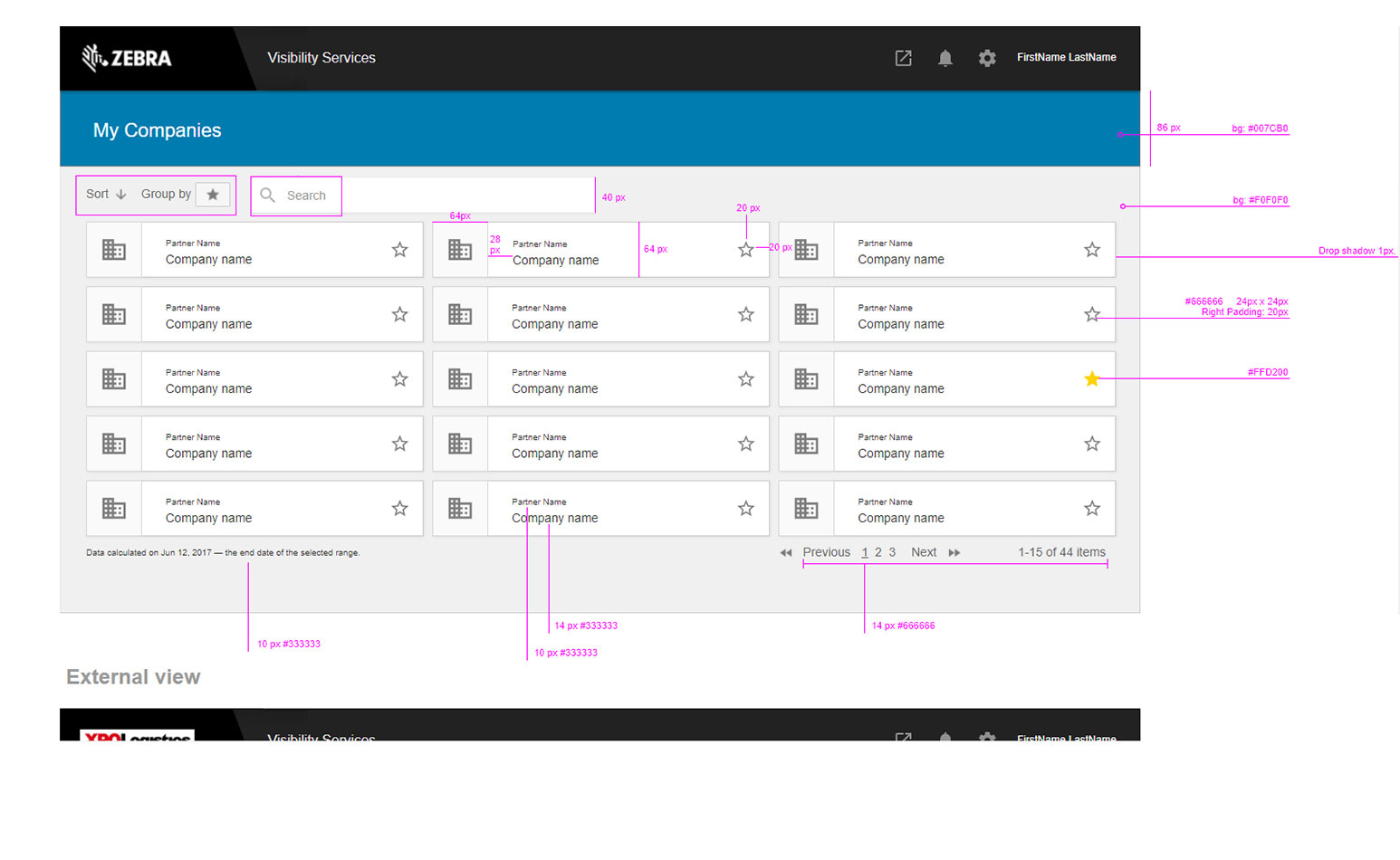
Company management dashboard
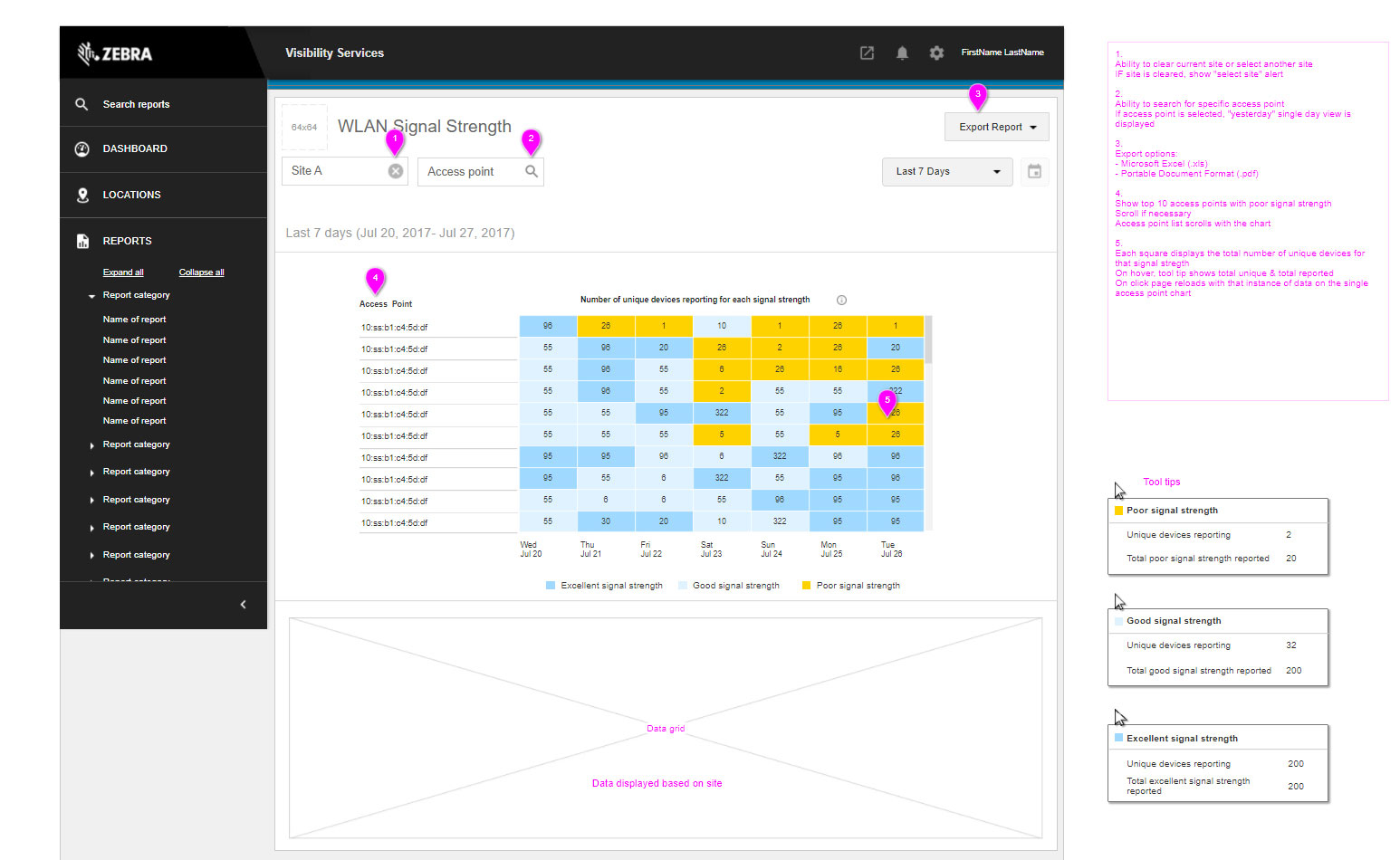
Service visibility dashboard
Printer management and status
One Final Note
The patterns and principles developed during the Zebra engagement — responsive data density, device-aware layouts, and warehouse floor context — directly informed my later work leading the WES/WCS redesign at Fortna. It was invaluable to my decision making and attributed to me making smarter design choices.